Analyzing Migration Patterns in Player Volatility Choices and Loyalty Unlocks for Crypto Mobile Gaming Applications
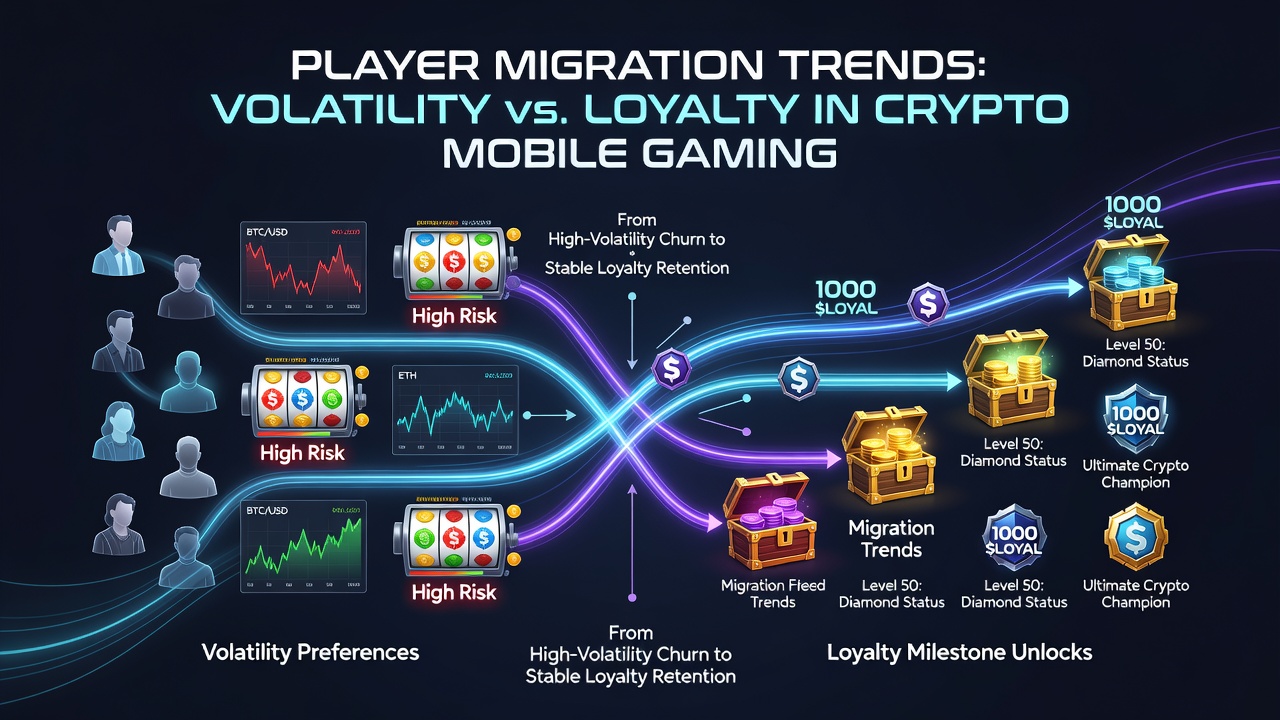
Player migration trends between volatility preferences and loyalty milestone unlocks have gained attention in crypto integrated mobile gaming setups as digital asset protocols continue to integrate with portable platforms. Data from industry reports indicate that participants frequently adjust their game selections when progressing through tiered reward structures, particularly as mobile applications incorporate blockchain based transaction layers that reward consistent engagement.
Understanding Volatility Preferences in Mobile Crypto Gaming
Volatility levels in slot and table game hybrids determine payout frequency and size, with high volatility options attracting users who seek larger potential returns over extended play sessions. Observers note that players often begin with medium volatility titles to build initial loyalty points, then shift toward higher volatility selections once milestone thresholds approach. According to figures released by the Alcohol and Gaming Commission of Ontario, mobile gaming sessions featuring crypto payment options showed a 23 percent increase in high volatility game access during the second quarter of 2026.
Low volatility games provide steadier returns that help maintain bankrolls while accumulating loyalty milestones, whereas high volatility titles accelerate progress when multipliers align with reward multipliers. Research indicates that participants migrate between these categories based on remaining distance to the next unlock tier, creating predictable movement patterns within individual accounts.
Loyalty Milestone Mechanics and Their Influence on Player Behavior
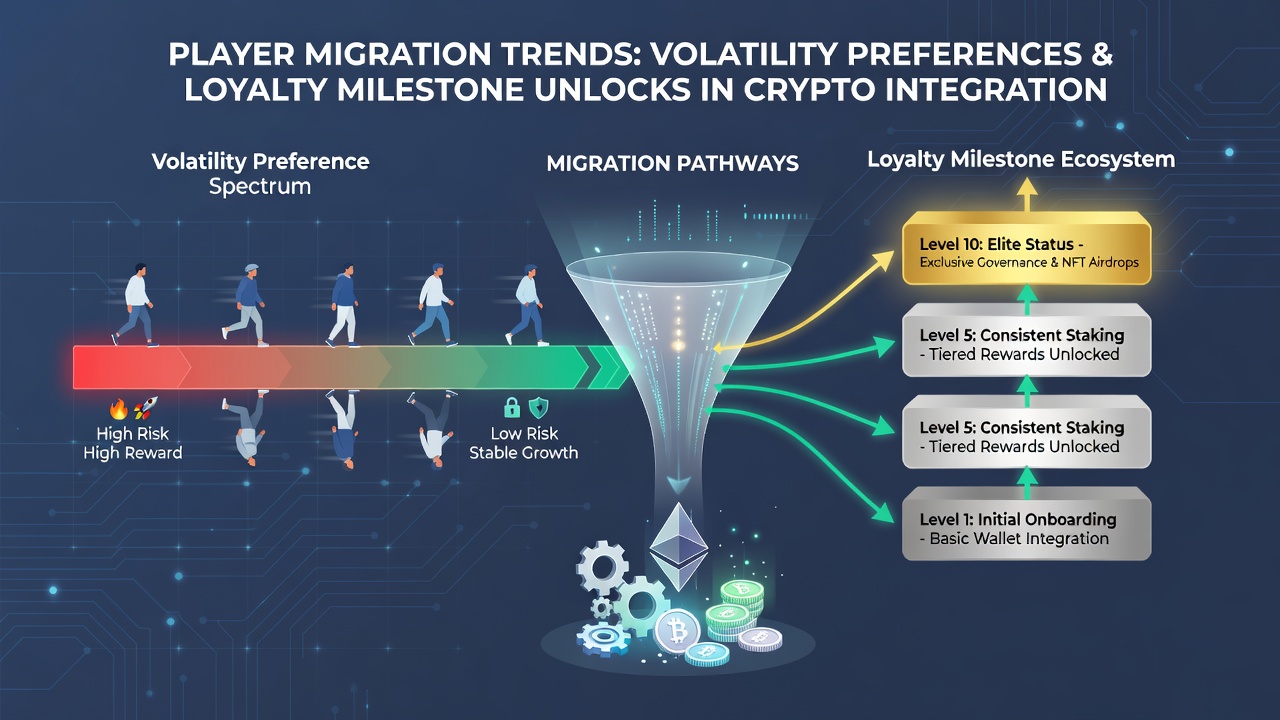
Loyalty systems in crypto integrated mobile setups typically feature automated tracking of wager volume, session duration, and transaction frequency through smart contracts. Milestone unlocks grant access to exclusive game modes, bonus multipliers, and faster withdrawal processing that uses digital assets. Those who've studied these systems observe that players frequently switch volatility preferences immediately before and after milestone achievements to optimize point accumulation rates.
Case examples from platform analytics reveal that users completing loyalty level four often transition from high volatility reels to lower volatility table games to stabilize their progress toward level five. This pattern repeats across multiple applications where crypto wallets connect directly to in game economies, allowing seamless movement between preference categories without interrupting reward tracking.
Observed Migration Trends in July 2026 Data
July 2026 reports from regional gaming authorities documented increased player movement across volatility categories within crypto enabled mobile environments. The Alcohol and Gaming Commission of Ontario along with parallel data from Australian regulatory bodies highlighted that participants aged 25 to 34 showed the highest rate of preference switching, with an average of 3.2 volatility category changes per loyalty cycle. These shifts correlate directly with proximity to milestone unlocks rather than random selection patterns.
Platform operators report that crypto transaction speed enables rapid adjustments in game selection when users notice milestone progress slowing. Low volatility preferences dominate early in loyalty cycles while high volatility selections increase as users near final tier requirements, creating measurable migration flows that appear consistent across multiple applications.
Factors Driving Preference Shifts
Several elements contribute to the observed migration between volatility preferences and loyalty milestone progress. Transaction costs associated with crypto payments remain lower during high volume periods, encouraging players to adjust game selections more frequently. Mobile interface designs that display real time loyalty progress alongside volatility indicators further facilitate these shifts by providing immediate feedback on how different game types affect milestone advancement.
Studies from research institutions such as the University of Nevada Gaming Innovation Center have tracked similar patterns in non crypto environments, yet the addition of blockchain based reward systems appears to accelerate migration rates. Participants who maintain crypto wallets within gaming applications demonstrate greater flexibility in switching between high and low volatility titles compared to traditional payment method users.
Regional Variations in Migration Patterns
Geographic differences emerge when examining how players navigate volatility preferences alongside loyalty systems. North American markets show stronger correlations between high volatility selections and milestone completion speed, whereas European and Asian markets display more balanced distribution across volatility categories throughout loyalty cycles. These variations align with differing regulatory approaches to mobile gaming and digital asset integration that affect available game libraries and reward structures.
Platform data collected through July 2026 indicate that users in regions with established crypto gaming frameworks complete loyalty milestones at higher rates while exhibiting more pronounced migration between volatility preferences. This suggests that familiarity with digital asset protocols influences how participants optimize their game selection strategies around reward progression.
Conclusion
Player migration trends between volatility preferences and loyalty milestone unlocks continue to shape engagement patterns within crypto integrated mobile gaming setups. Data collected through mid 2026 reveal consistent movement patterns that link game selection choices directly to progress through tiered reward systems, with volatility adjustments occurring at predictable points in loyalty cycles. These trends appear across multiple regions and age groups, supported by the technical capabilities of blockchain integration that enable rapid preference shifts without disrupting milestone tracking.