Blockchain Fork Events Redefine Reward Tiers Across Smartphone Casino Platforms
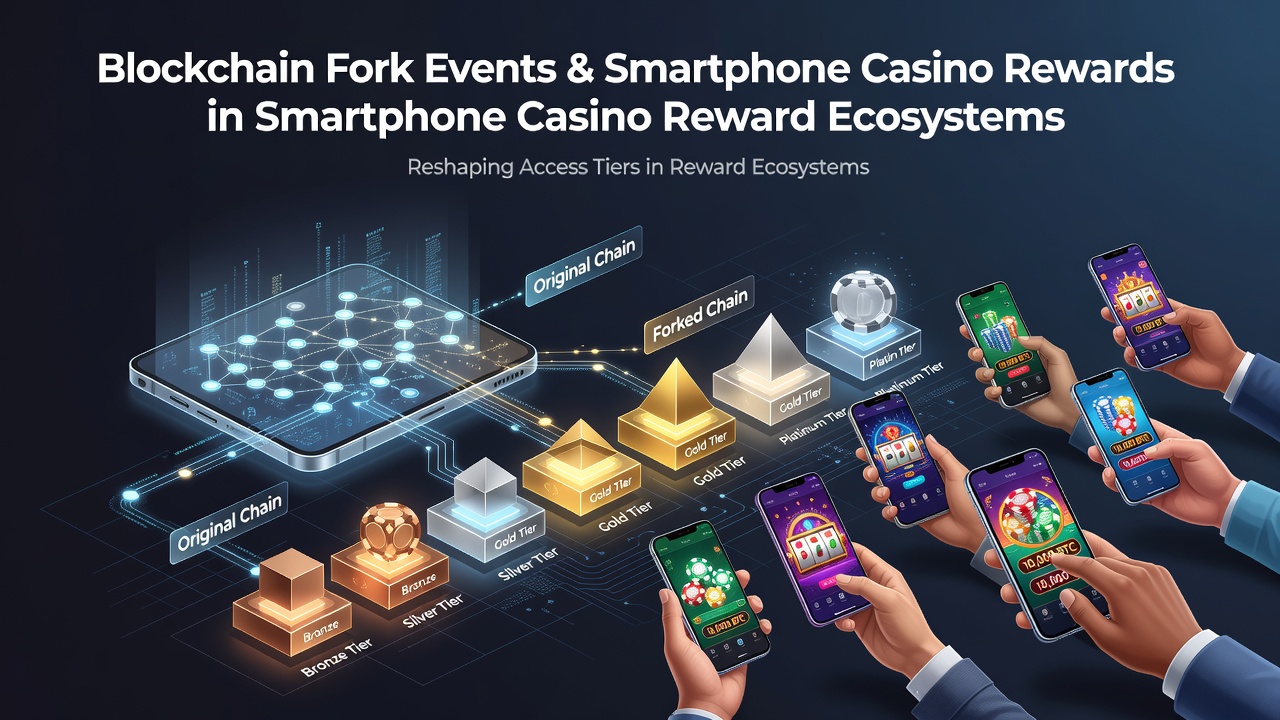
Blockchain fork events create permanent splits in distributed ledgers that directly influence how smartphone casino operators calculate and assign access tiers within their loyalty programs, and those changes ripple through reward ecosystems that rely on cryptocurrency holdings for progression tracking. When a hard fork occurs the original chain divides into two separate networks each carrying its own token value and transaction history, which forces casino platforms to decide whether to credit both resulting assets to player accounts or to select one chain for tier calculations. Observers note that this decision process alters the numerical thresholds players must reach to unlock higher reward levels such as premium live dealer access or accelerated bonus accumulation in mobile applications.
Mechanics of Fork Integration in Mobile Reward Systems
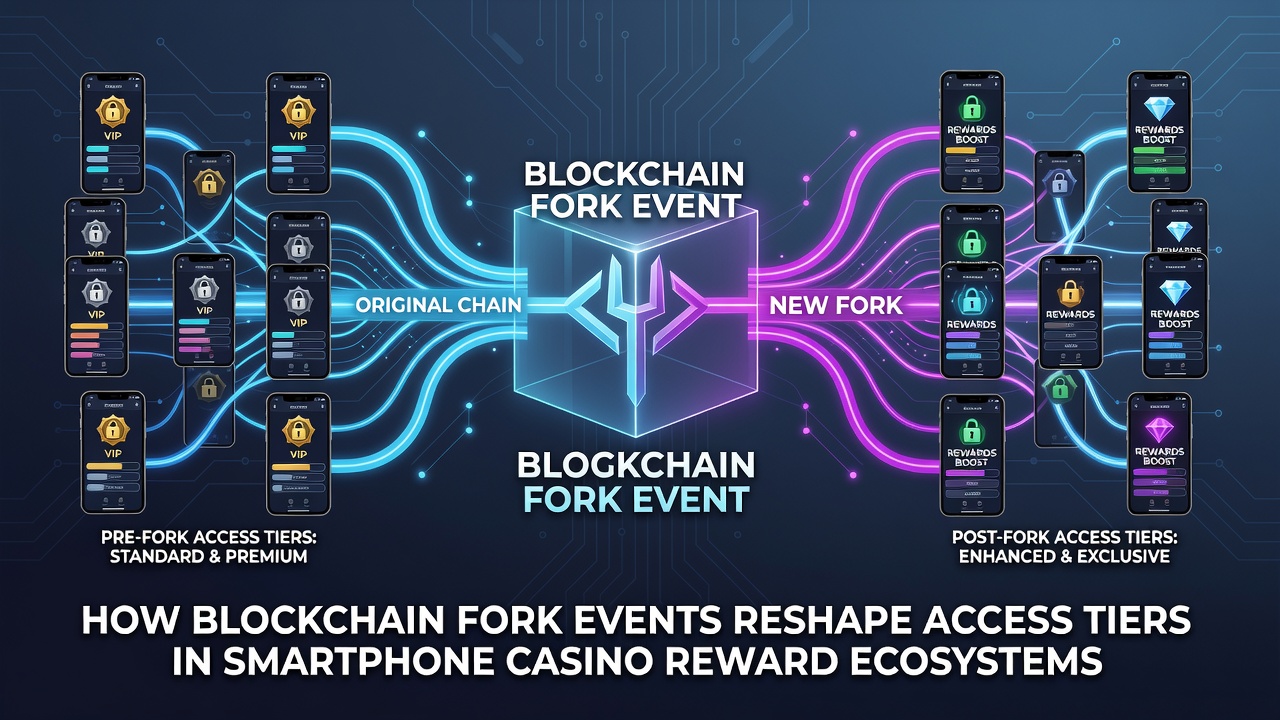
Operators maintain internal databases that mirror on-chain balances for tier determination, yet a fork introduces ambiguity because each new chain may trade at different market rates immediately after the split. Research from the Blockchain Research Institute shows that platforms handling multiple chains must recalibrate point multipliers within days of a fork to prevent players from exploiting temporary valuation gaps. Data indicates that many smartphone casino systems automatically snapshot balances at the fork block height then apply separate weighting formulas to each resulting asset based on exchange listings and liquidity metrics available in July 2026. Those formulas determine whether a player's total portfolio value remains sufficient to retain elite status or drops into a lower tier until new deposits restore the required balance.
Impact on Tier Progression Pathways
Access tiers in these ecosystems typically rest on cumulative wagering volume combined with average daily crypto balances, and fork events disrupt both measurements when token values diverge. One study revealed that players holding forked assets often experience sudden shifts in their reported tier standing once operators finalize chain selection policies. Figures from regional gaming authorities in Ontario reveal that similar valuation adjustments occurred after major protocol splits in prior years, resulting in temporary freezes on tier advancement until reconciliation scripts completed. Experts have observed that soft forks produce milder effects because they maintain backward compatibility, whereas hard forks demand explicit rule changes that cascade into the mobile application logic governing bonus vaults and exclusive table invitations.
Operational Adjustments by Platform Providers
Platform teams respond to forks by deploying updated smart contracts that handle dual-chain accounting during the transition window, and those contracts feed revised balance figures into the tier engine that powers smartphone notifications. According to reports from the Australian Communications and Media Authority, operators that delay such updates face regulatory scrutiny when players file complaints about unexpected tier demotions. What's interesting is that some providers now embed fork-detection modules directly into their reward algorithms, allowing automatic rebalancing within hours rather than days. This automation reduces disputes but also means that tier access can change without player-initiated action, simply because market prices for the post-fork tokens fluctuate.
Player Portfolio Strategies After Forks
Players who monitor multiple exchanges during fork periods sometimes reallocate holdings to maintain tier eligibility, and operators have documented increased deposit activity in the weeks following major protocol changes. Research indicates that those who diversify across several cryptocurrencies before a fork occurs tend to experience smaller disruptions to their access levels because the impact spreads across multiple independent chains. Data from European gaming trade groups shows that smartphone casino applications now include educational pop-ups explaining fork mechanics so that users understand why their tier progress might pause or accelerate without additional play. These notifications appear automatically when on-chain monitoring tools detect an upcoming or recent split.
Regulatory and Compliance Considerations
Regulators in multiple jurisdictions require operators to maintain transparent records of how forked assets factor into player tier calculations, and compliance audits increasingly examine these reconciliation procedures. The Alcohol and Gaming Commission of Ontario has published guidance requiring clear disclosure of valuation methods used after network splits, which has prompted several platforms to publish detailed policy documents within their mobile applications. Observers note that failure to update these disclosures promptly can result in fines or temporary suspension of promotional features tied to tier status. As a result, many providers now treat fork events as scheduled maintenance periods during which tier advancement temporarily halts while systems stabilize.
Conclusion
Blockchain fork events continue to serve as stress tests for the reward architectures that underpin smartphone casino ecosystems, and the responses developed by operators shape how access tiers evolve over time. Platform adjustments, regulatory requirements, and player behavior all interact during these periods to determine final outcomes for tier progression. Continued monitoring of protocol changes remains essential for understanding future shifts in mobile loyalty structures that depend on cryptocurrency valuations.