Charting Accessibility Barriers in Regional Crypto Slot Networks for Portable Live Table Enthusiasts
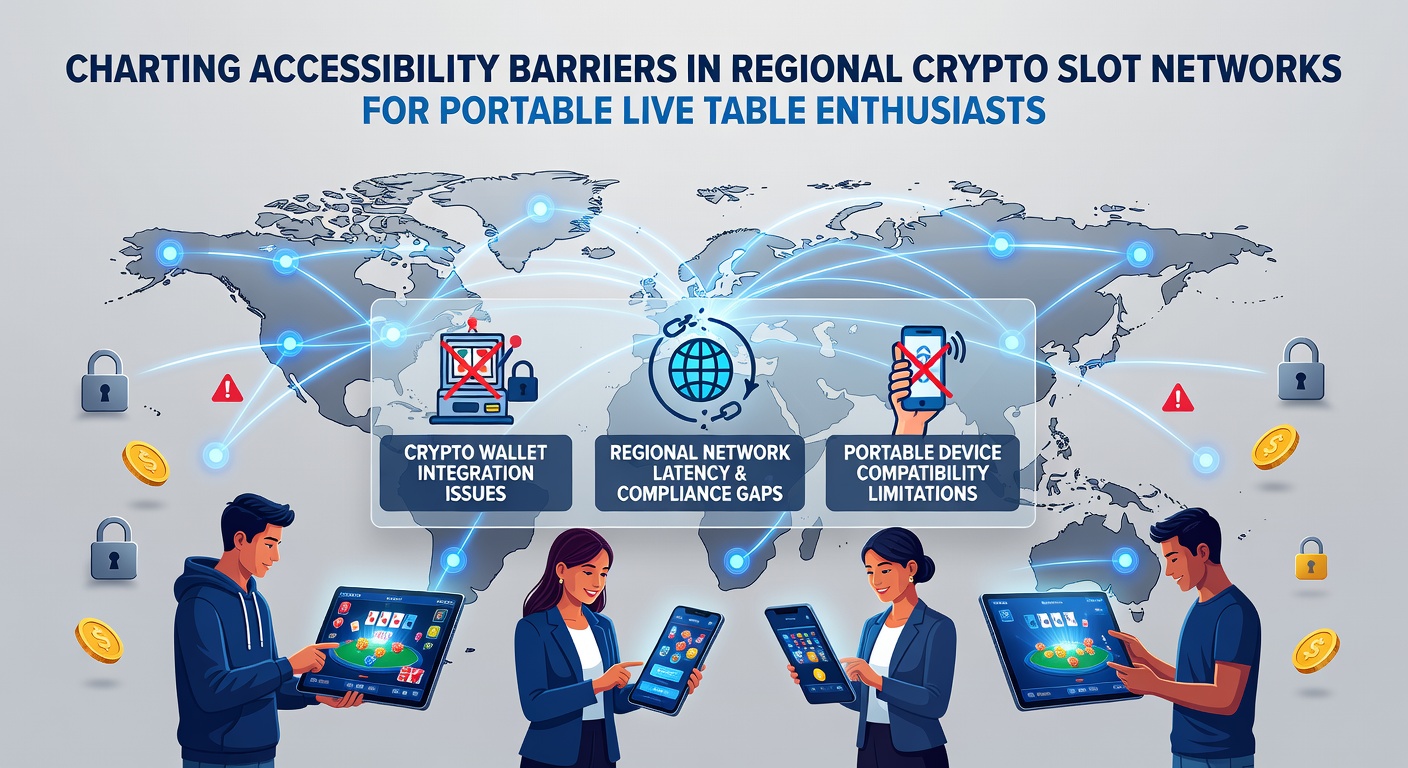
Regional crypto slot networks that deliver portable live table experiences continue to expand in 2026, yet users encounter distinct accessibility barriers shaped by local regulations, infrastructure limitations, and platform design choices. Observers note that these obstacles often appear most clearly when enthusiasts attempt to move between jurisdictions while carrying their preferred mobile setups for real-time dealer interactions.
Regional Regulatory Variations Shape Entry Points
Data from multiple oversight bodies shows that licensing requirements tied to cryptocurrency transactions differ sharply between North American provinces and European member states, creating friction for players who rely on seamless wallet connections during live sessions. In Ontario, for instance, iGaming operators must integrate specific verification layers that sometimes conflict with the lightweight protocols favored by portable live table applications, while Australian federal guidelines emphasize consumer protection measures that affect how regional networks handle cross-border crypto transfers.
According to reports issued by the Australian Communications and Media Authority, compliance audits conducted through early 2026 highlight persistent gaps in how smaller networks accommodate users with mobility or sensory limitations when accessing live dealer tables via mobile browsers. These findings reveal that operators frequently prioritize transaction speed over adaptive interface elements, leaving certain player groups without reliable navigation tools during peak evening hours.
Technical Integration Challenges on Portable Devices
Network latency remains a recurring issue for enthusiasts using regional crypto slot platforms on tablets and smartphones outside major urban centers. Research indicates that blockchain confirmation times can stretch considerably in areas with inconsistent 5G coverage, disrupting the continuous video feeds essential for live table engagement and forcing users to maintain multiple wallet connections as backups.
Wallet compatibility presents another layer of difficulty, since many portable applications default to a narrow set of supported cryptocurrencies that may not align with regional preferences or banking restrictions. Experts have observed that players attempting to fund sessions through less common tokens often face repeated authentication prompts that interrupt the flow of live dealer rounds, particularly when networks enforce stricter anti-money laundering checks tied to specific geographic zones.
Interface Design and Inclusivity Gaps
Studies from academic institutions examining digital gambling interfaces demonstrate that screen-reader compatibility on live table platforms lags behind standard slot environments, especially when dynamic crypto balance updates overlay dealer video streams. Those who have tested these systems report that real-time chat features and betting controls frequently lack sufficient labeling for assistive technologies, limiting participation for visually impaired users who prefer portable devices over desktop setups.
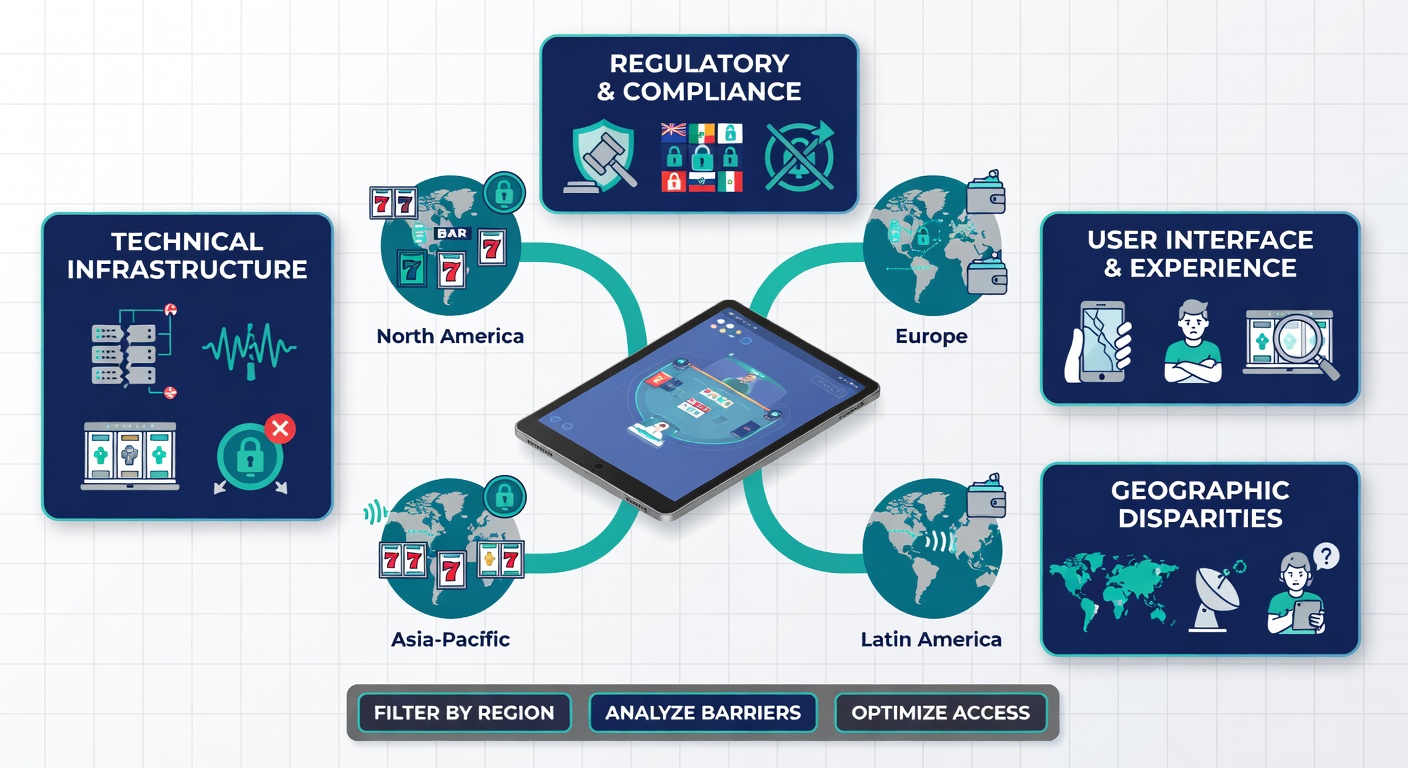
As of May 2026 several regional networks have begun piloting updated accessibility modules, yet adoption rates vary widely between operators serving Canadian markets and those focused on Southeast Asian jurisdictions where mobile data costs influence feature prioritization. Figures released by industry research groups show that fewer than half of active crypto-enabled live table applications currently meet emerging standards for adjustable contrast and voice-command betting, leaving a measurable portion of enthusiasts without full functionality on their preferred portable hardware.
Geographic Infrastructure and Support Limitations
Infrastructure differences across regions compound these software-level barriers, as rural connectivity issues in parts of the United States and Australia can prevent stable connections to centralized crypto nodes that power instant payouts during live sessions. Government agencies tracking digital service access have documented how such disparities create uneven playing fields, with urban users enjoying lower latency while those in remote areas experience frequent disconnections that erase active bets or force manual reconnections mid-round.
Customer support channels tied to these networks also reflect regional priorities, with multilingual assistance more readily available in European markets than in certain North American crypto slot environments. Observers tracking user feedback note that response times for accessibility-related inquiries often stretch longer when queries involve both crypto wallet troubleshooting and live table interface adjustments, particularly outside standard business hours in the operator's primary jurisdiction.
Conclusion
Mapping these accessibility barriers across regional crypto slot networks reveals interconnected challenges that affect portable live table enthusiasts through regulatory, technical, and design dimensions. Continued monitoring by oversight organizations and research institutions will likely shape how networks address these issues in coming months, especially as new compliance frameworks take effect in multiple jurisdictions throughout 2026. Players navigating these environments benefit from understanding the specific constraints tied to their location and device choices before engaging with live dealer features on crypto-enabled platforms.