Digital Asset Transfers Shaping Priority Seating Dynamics at Mobile Virtual Felt Tables

Digital asset transfers through blockchain networks connect directly to priority seating systems at virtual felt tables on mobile interfaces where transaction confirmation times determine queue positions in live dealer environments. Research indicates that platforms integrate wallet verification protocols with seating algorithms so users completing transfers with lower latency gain earlier access to staffed tables during peak hours. Data from industry monitoring shows this linkage appears in multiple hybrid reel-and-table applications where automated systems track both payment finality and user activity logs.
Core Mechanisms Linking Transfers and Seating Access
Virtual felt table interfaces on mobile devices use real-time blockchain listeners to monitor incoming digital asset movements and adjust seating priorities accordingly while standard bank transfers require longer verification windows that place users further back in line. Observers note that faster settlement protocols such as those using layer-two solutions allow immediate eligibility checks so confirmed transfers push accounts toward premium table spots without manual intervention. This process operates through API connections between payment gateways and game servers where each successful hash verification updates a user's position metric in the queue database.
Studies of portable gaming applications reveal that platforms assign weighted scores based on transfer amounts and confirmation speeds which then feed into priority algorithms for virtual table allocation. Those who've examined the code structures find that digital wallets with pre-approved status bypass certain validation steps and therefore reach staffed tables ahead of users relying on slower methods. In July 2026 several networks reported adjustments to these scoring models after blockchain congestion events altered typical confirmation patterns across mobile sessions.
Regional Patterns in Implementation
North American operators have adopted these connections more rapidly than other regions according to reports compiled by the Canadian Gaming Association where mobile traffic volumes show higher crypto usage correlating with increased priority table bookings. European platforms meanwhile incorporate similar systems yet often layer additional compliance checks that extend the time between transfer completion and seating confirmation. Australian regulatory filings indicate comparable trends where digital asset activity influences access hierarchies in compact hybrid applications featuring both automated reels and staffed tables.
Technical Integration Points
Mobile interfaces embed wallet connection modules that trigger seating requests once asset transfers reach a predetermined number of network confirmations and this setup reduces manual steps for users while maintaining audit trails for operators. Developers implement smart contract hooks that notify game servers about completed transfers so priority lists update without requiring separate user actions. Evidence from platform documentation shows these integrations rely on standardized data formats that allow seamless mapping between payment events and table availability metrics.
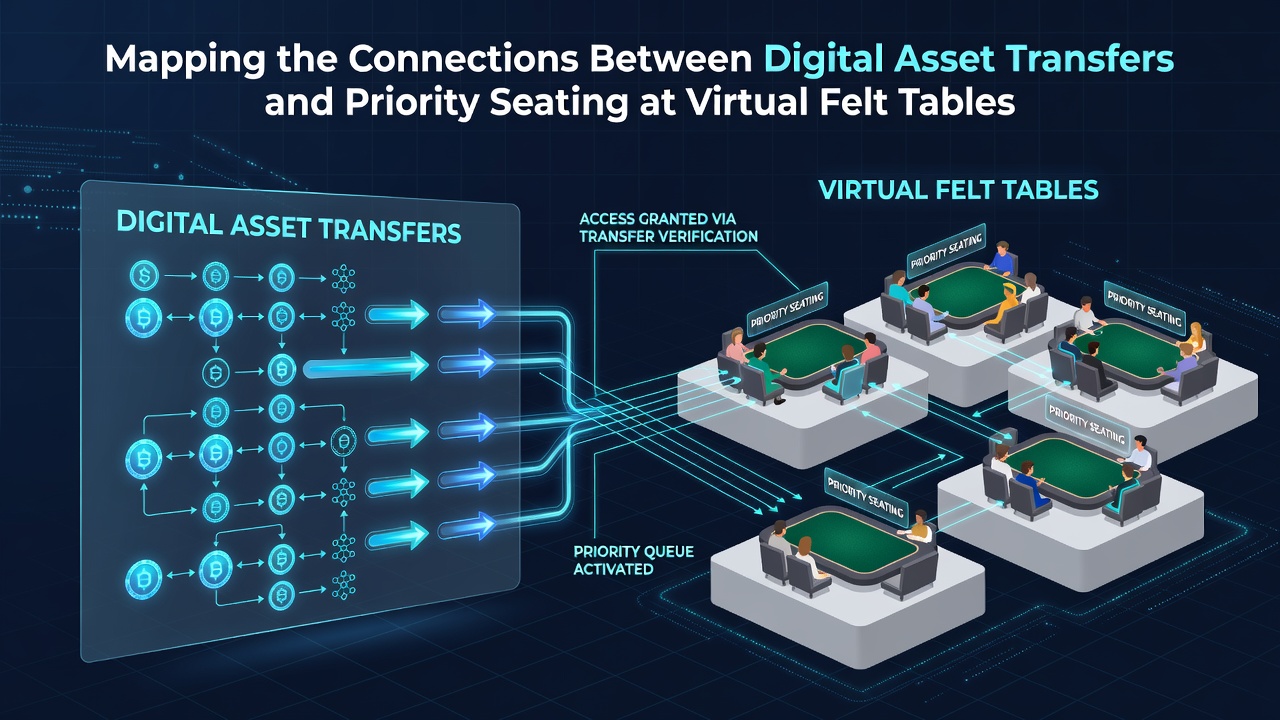
Additional layers include fraud detection filters that cross-reference transfer origins with seating requests and accounts flagged during this process experience temporary delays regardless of payment speed. Researchers discovered that such filters help maintain fair allocation across regions where regulatory requirements differ yet still allow digital assets to influence access pathways when transfers clear verification thresholds.
Data Trends Observed in 2026
Figures released in mid-2026 indicate that sessions initiated through digital asset transfers achieve seating at virtual felt tables approximately 40 percent faster on average than those using traditional methods in monitored mobile applications. Industry organizations tracking user retention note correlations between consistent transfer activity and higher placement in priority queues although these patterns vary by specific platform architecture. What's interesting is how congestion on major networks during certain periods forces operators to recalibrate weighting systems to preserve equitable access.
One analysis from academic sources on blockchain applications in gaming highlighted that mobile interfaces benefit most from these connections because push notifications can alert users the moment their transfer finalizes and a seat opens. Platforms in various jurisdictions now publish aggregated statistics showing the proportion of priority seats filled via digital methods each month which provides transparency without revealing individual account details.
Conclusion
The connections between digital asset transfers and priority seating at virtual felt tables on mobile interfaces rest on technical mappings that translate payment confirmation data into queue positioning logic. Operators continue refining these systems as network conditions evolve and regulatory frameworks adapt across different regions. Those monitoring developments can track how updates to blockchain protocols or mobile application standards alter the speed and reliability of these linkages over time.