How Local Traditions Modify Advancement Pathways in Compact Digital Entertainment Applications
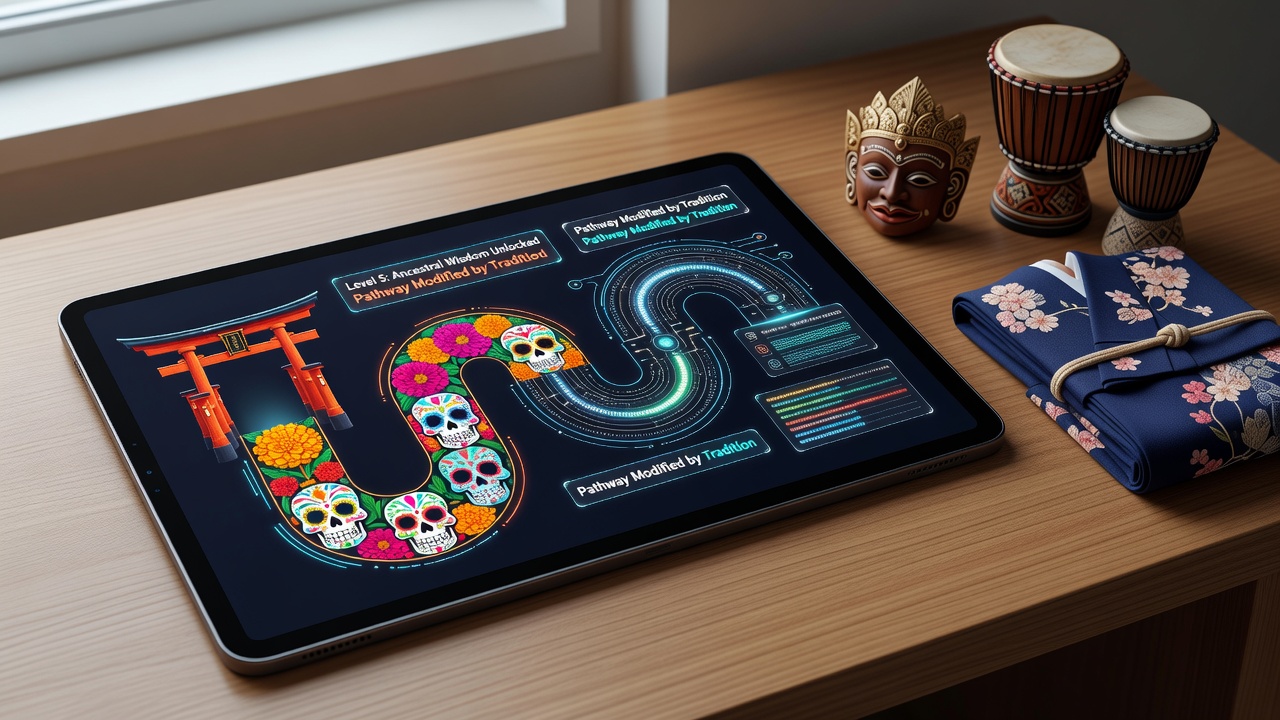
Local traditions continue to shape advancement pathways within compact digital entertainment applications, where cultural practices influence how users progress through reward hierarchies in mobile platforms featuring automated reels and staffed tables. Researchers have documented these modifications across multiple regions, noting that festivals, gift exchange customs, and community rituals often translate into tiered bonus structures and loyalty mechanics that differ from standardized global models.
Cultural Practices Reshape Digital Progression Systems
Advancement pathways in these applications adapt when developers incorporate elements from regional customs, such as seasonal celebrations that trigger accelerated point accumulation or special eligibility criteria for premium features. Data from industry analyses reveal that apps targeting Southeast Asian markets frequently integrate lunar calendar events into their progression frameworks, allowing users to unlock higher tiers through participation in virtual events modeled after harvest festivals or ancestral veneration periods. This integration creates distinct routes compared to systems designed for Western audiences, where holiday-based rewards tend to emphasize individual achievement metrics rather than collective participation thresholds.
Observers note that gift-giving traditions prevalent in many East Asian societies lead to modified referral and sharing mechanics within mobile gaming environments. Instead of simple bonus multipliers, these pathways often include reciprocal reward loops where users advance by facilitating similar advancements for others in their network, reflecting longstanding social obligations around mutual exchange. Studies conducted by academic institutions in the region confirm that such mechanics increase retention rates during culturally significant periods like the Mid-Autumn Festival, with progression data showing measurable spikes in tier elevations tied directly to these custom-aligned features.
Regional Variations in Tier Structures
European markets demonstrate different modifications, where historical guild and community association practices influence how compact applications structure their VIP ladders. Advancement often requires participation in simulated group challenges that mirror traditional cooperative events, rather than purely competitive solo play. Figures from regulatory reports in Canada indicate parallel patterns, with provincial gaming operators noting that indigenous storytelling customs have prompted the creation of narrative-driven progression tracks that reward users for completing culturally themed sequences instead of standard wager-based milestones.
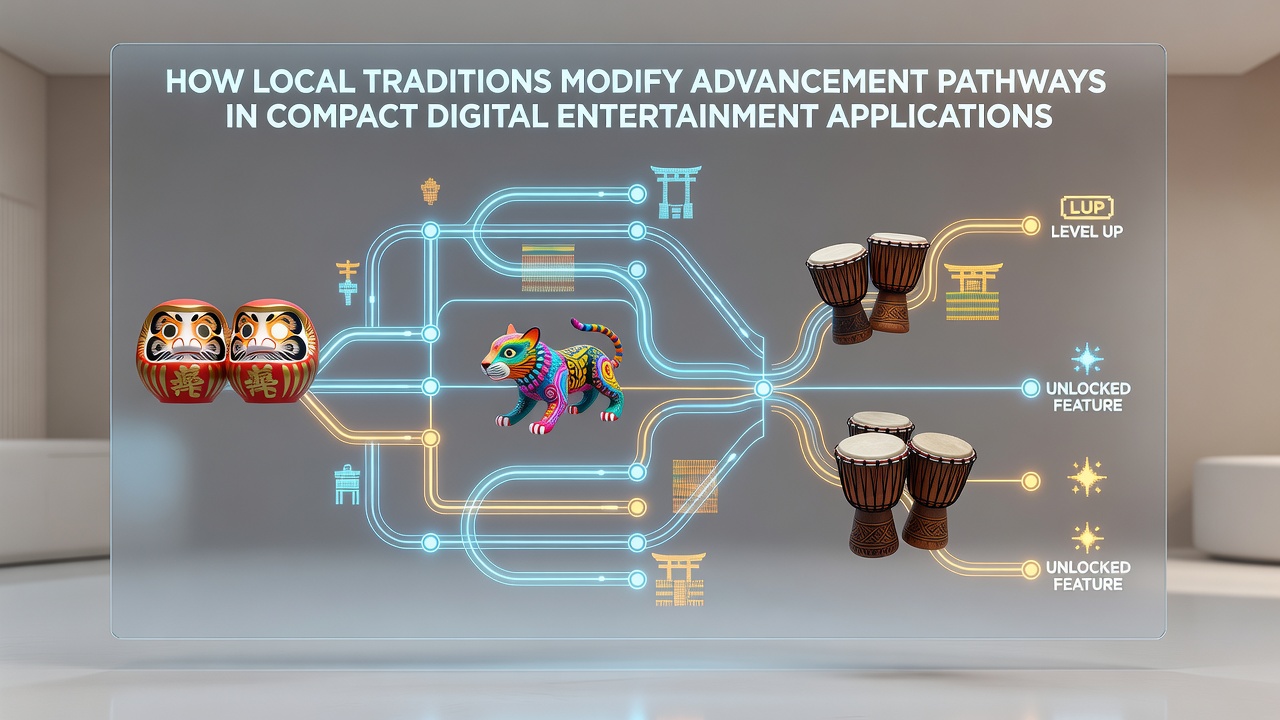
Applications serving Australian users show further distinctions, where outback community gathering traditions translate into advancement systems that prioritize sustained group engagement over rapid individual climbs. According to findings published by the Australian Institute of Family Studies, these culturally modified pathways result in slower initial progression but higher long-term commitment levels among participants who value collective milestones. The modifications extend to eligibility criteria for staffed table features, where certain tiers become accessible only after users complete sequences reflecting traditional decision-making processes found in local kinship systems.
Impact on Mobile Platform Mechanics
Compact digital entertainment applications adjust their core algorithms to accommodate these tradition-based modifications without disrupting overall functionality. Developers implement flexible point systems that recognize culturally specific actions, such as timed participation during religious observance periods or community-oriented challenges, as valid advancement criteria. This approach maintains compliance with varying international standards while preserving the integrity of reward hierarchies. Data collected through June 2026 platform analytics demonstrate that regions with strong tradition integration report more consistent user progression patterns across seasonal cycles compared to markets relying solely on universal mechanics.
Payment and settlement protocols within these applications also reflect local customs in some cases, where advancement to higher tiers unlocks features aligned with traditional transaction preferences like community pooling or delayed settlement methods. Research indicates these adaptations reduce friction for users accustomed to specific cultural financial practices, thereby smoothing transitions between tiers. Industry organizations tracking global mobile gaming trends have recorded instances where such modifications led to expanded access for previously underrepresented demographic groups within particular geographic markets.
Conclusion
Local traditions continue to modify advancement pathways in compact digital entertainment applications through targeted integration of cultural elements into reward structures, tier eligibility, and progression mechanics. Evidence from multiple regions shows these adaptations create regionally distinct experiences while operating within the technical constraints of mobile platforms. As developers respond to documented patterns in user behavior across different cultural contexts, the resulting systems reflect an ongoing interplay between traditional practices and digital reward hierarchies that shapes how participants navigate compact entertainment environments.