Identity Verification Standards Transforming Reward Tier Access in Localized Digital Gaming Ecosystems
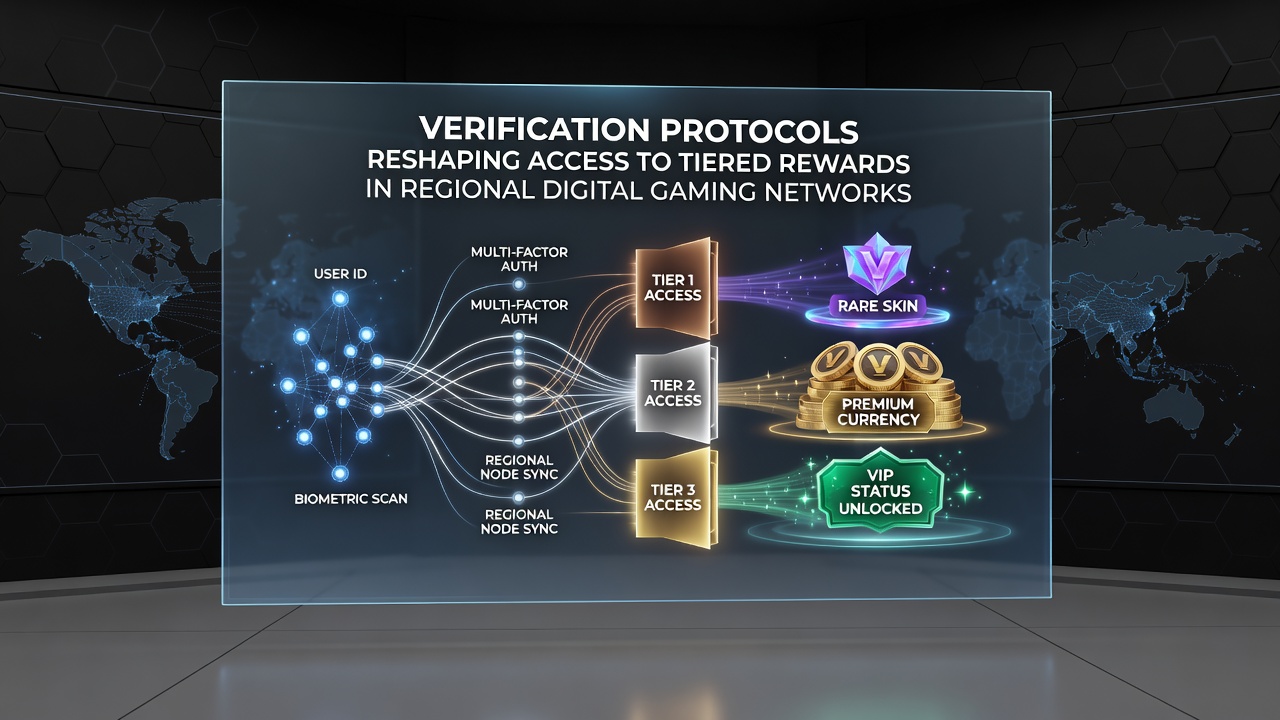 Regional digital gaming networks continue to integrate stricter identity verification protocols as operators seek to balance regulatory compliance with player progression through loyalty structures. These systems now require documented proof of identity, address, and sometimes source of funds before participants can unlock higher reward tiers that include enhanced bonuses, exclusive live dealer access, and accelerated payout options. Data from multiple jurisdictions indicate that such measures have altered how quickly players advance in regional platforms, particularly in areas where mobile gaming dominates daily activity. Operators in various markets have adjusted their onboarding sequences to include biometric checks and document uploads at earlier stages of account creation. This shift means that initial access to basic play remains available, while movement into mid-level and premium reward brackets depends on successful verification completion. Figures released in July 2026 from several oversight bodies show increased verification completion rates coinciding with expanded tiered reward offerings in select regional networks.
Regional Regulatory Drivers Behind Protocol Adoption
Authorities across North America and parts of Europe have introduced or updated guidelines that tie player verification directly to reward program eligibility. In Canadian provinces with established online frameworks, for instance, licensing conditions now specify that tier advancement requires verified accounts to prevent unauthorized access to promotional structures. Similar patterns appear in Australian state-level regulations where operators must demonstrate that reward pathways align with responsible gaming mandates.
These requirements create layered checkpoints where players submit government-issued identification and financial details before qualifying for higher loyalty status. Research from academic institutions tracking digital entertainment trends reveals that networks enforcing these steps report fewer instances of multi-account abuse, which previously allowed some users to bypass natural progression limits in tier systems.
Technical Implementation Across Mobile and Desktop Platforms
Verification tools integrated into gaming applications now leverage facial recognition, liveness detection, and automated document scanning to streamline compliance. Players in regional networks encounter these features during registration or when attempting to claim tier-specific rewards such as increased reel multipliers or table game cashback percentages. The process connects directly to backend databases maintained by operators, ensuring that once cleared, accounts gain immediate visibility into available advancement pathways.
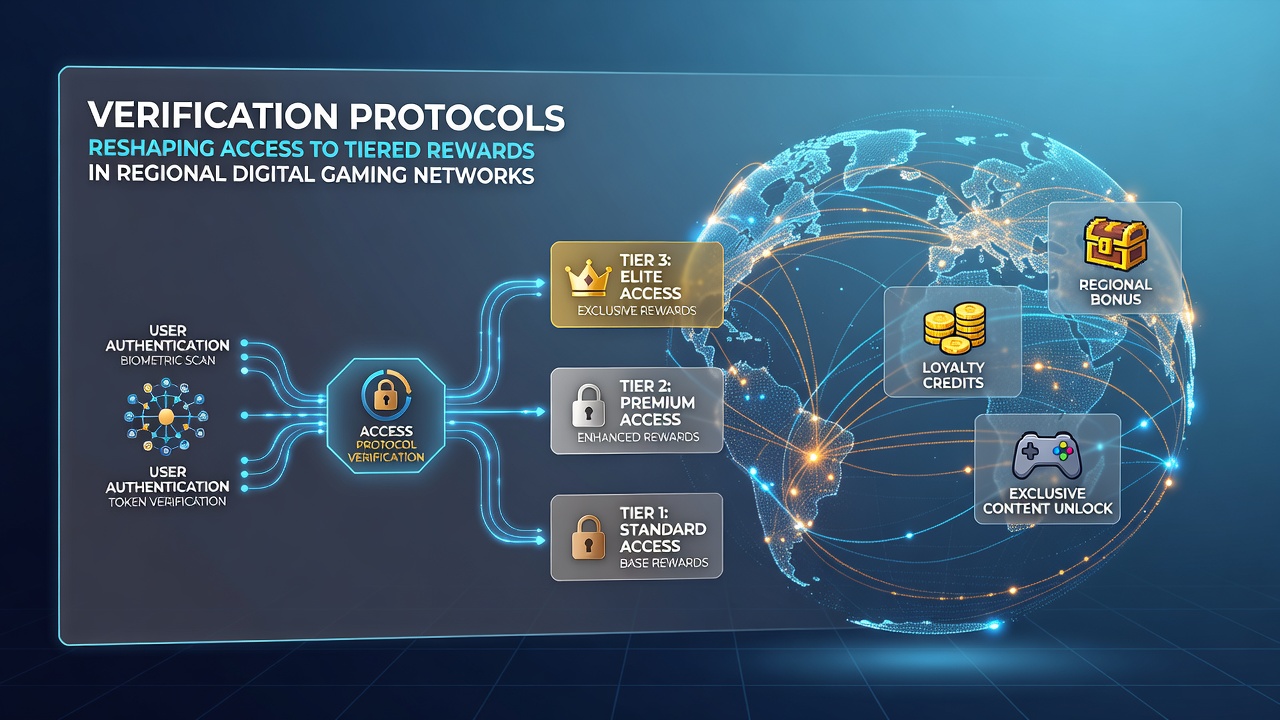
What's interesting here is how these protocols interact with existing payment rails. Players using certain digital wallets or bank transfers often complete verification faster because transaction histories provide supplementary data points that satisfy regulatory thresholds. Industry reports compiled by groups like the European Gaming and Betting Association highlight that such integrations reduce average time to tier eligibility by measurable margins in participating regional networks.
Effects on Player Progression and Retention Metrics
Observers tracking user behavior note that verified accounts show steadier movement through reward hierarchies compared with unverified ones. In July 2026 datasets from multiple operators, completion of verification steps correlated with higher engagement rates in loyalty programs featuring both automated reel mechanics and staffed table options. Networks that delayed verification until higher tiers saw slower uptake of premium features, prompting some providers to front-load these checks.
Patterns emerge when comparing different geographic clusters. Platforms serving North American regional markets tend to emphasize source-of-funds verification at mid-tier thresholds, while those in Asian-Pacific jurisdictions often prioritize ongoing transaction monitoring after initial approval. These variations influence how quickly participants reach milestones that unlock specialized content such as private tournament entries or customized bonus structures.
Case Examples from Operational Networks
One documented shift occurred when a multi-state operator updated its verification flow to require biometric confirmation before granting access to the third reward level. Subsequent internal metrics indicated that players who completed the process early maintained consistent activity across both mobile slots and live dealer sessions. Another example involves networks in provinces that adopted shared verification registries, allowing players to carry verified status between affiliated platforms and thereby accelerate tier climbing without repeated documentation submissions.
According to findings published by the Canadian Centre for Gaming Research, such shared systems have streamlined advancement in compact digital environments where users frequently switch between devices. The result appears in aggregated data showing reduced drop-off rates at verification gates for those already holding verified profiles from prior interactions.
Future Trajectory for Verification and Reward Integration
Emerging standards point toward greater interoperability between verification providers and gaming platforms, which could further standardize tier access across regional boundaries. Pilot programs testing decentralized identity solutions have begun in select European markets, where players control which data elements they share while still meeting compliance criteria for reward eligibility. These developments suggest continued evolution in how verification protocols interface with loyalty mechanics.
Conclusion
Verification protocols have become embedded gatekeepers within regional digital gaming networks, directly shaping the speed and conditions under which players access tiered rewards. Data collected through mid-2026 demonstrate measurable impacts on progression patterns, retention figures, and operational compliance across diverse geographic areas. As technical capabilities advance and regulatory expectations stabilize, the connection between identity confirmation and reward hierarchy access will likely remain a central feature of these ecosystems.