Patterns in User Retention Linked to Promotional Structures Within Portable Gaming Applications Featuring Both Automated Reels and Staffed Tables
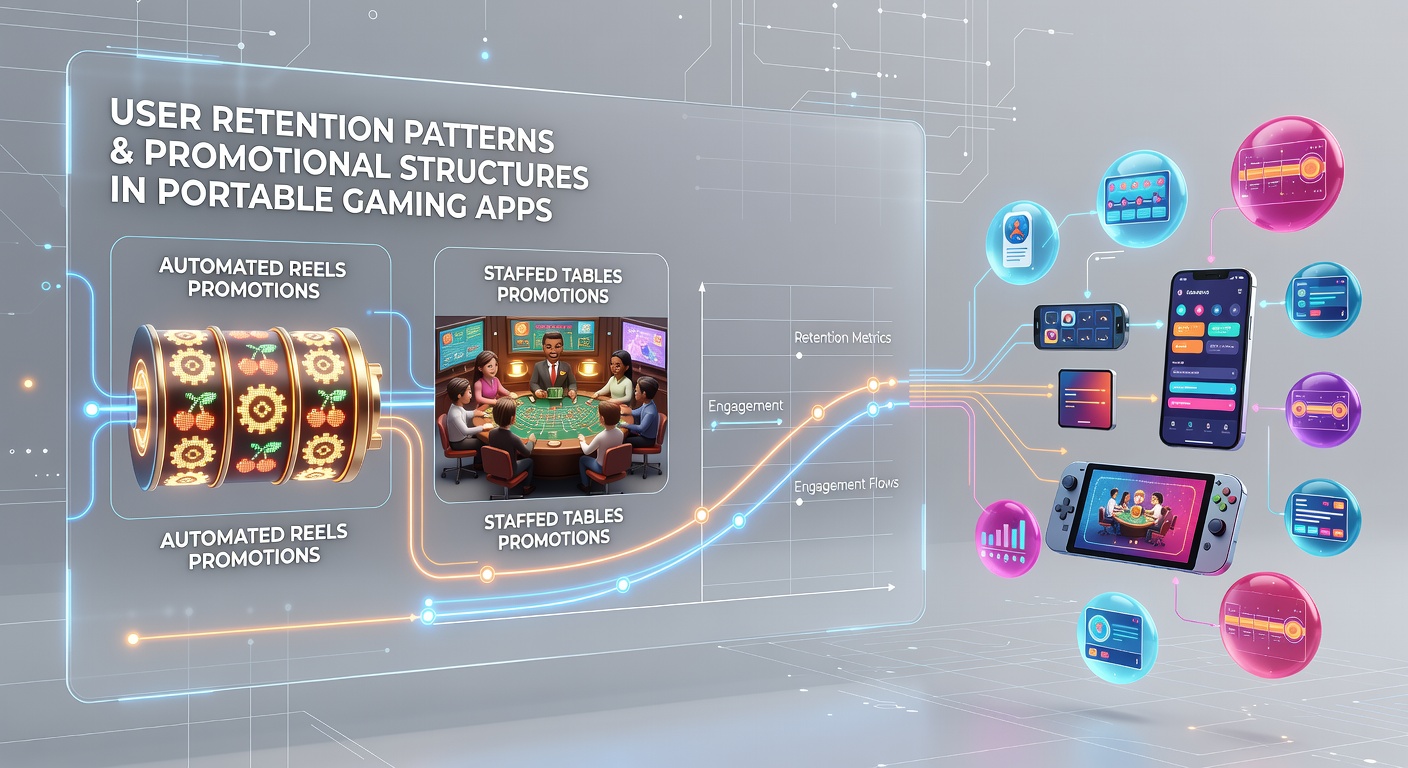
Portable gaming applications that combine automated reels with staffed tables have developed distinct promotional frameworks over recent years, and data from multiple markets shows measurable connections between these structures and user retention metrics. Operators track how welcome bonuses, reload offers, and loyalty tiers influence session frequency and long-term engagement across both game types. Research conducted by regional gaming authorities indicates that users who receive tiered promotions tied to reel activity often extend their time on live tables when those promotions carry cross-game eligibility.
Promotional Structures Across Game Categories
Automated reels typically feature deposit-match bonuses and free-spin packages that activate immediately upon funding an account, whereas staffed tables rely more on cashback percentages and table-limit adjustments that reward consistent play over multiple sessions. Operators in North American and European markets structure these offers differently because reel sessions tend to generate higher spin volume while table games produce steadier per-hand stakes. Data collected through platform analytics reveals that promotions requiring minimum reel spins before unlocking table credits produce higher crossover participation than flat bonuses applied separately to each category.
Many applications now embed progressive loyalty systems that accumulate points from both automated and staffed games, yet redemption rates differ based on how quickly points convert into usable credits. Figures released by the New Jersey Division of Gaming Enforcement in early 2026 demonstrate that accounts receiving combined reel-and-table loyalty rewards maintain active status for an average of 18 percent longer than accounts limited to single-category offers. This pattern holds across age groups and device types.
Retention Metrics and Promotional Timing
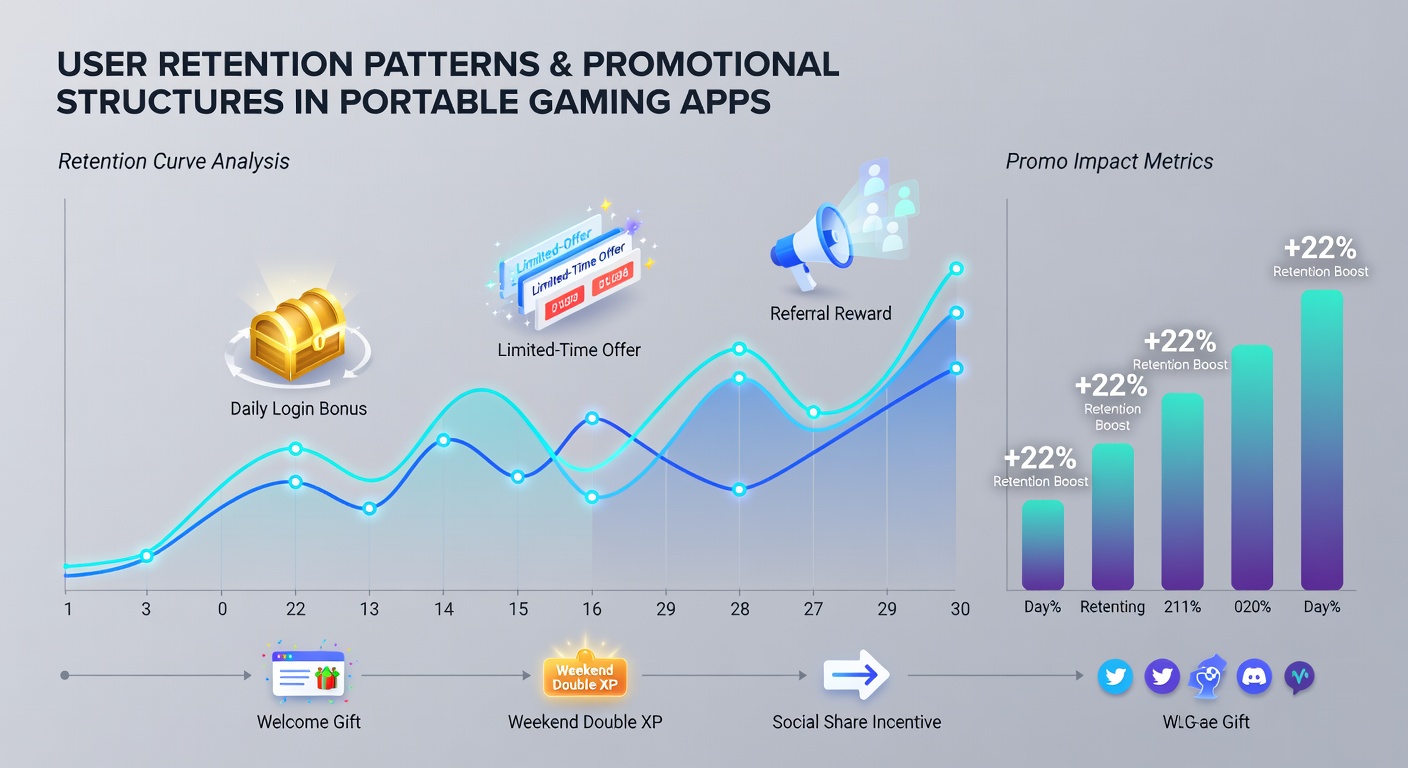
Retention curves shift noticeably when operators schedule promotions around peak mobile usage hours, particularly during evening windows when staffed tables reach maximum dealer availability. Automated reel users respond strongly to time-limited multipliers that expire within 24 hours, while table enthusiasts show steadier retention when offers extend across full weekends. Industry reports compiled by the Australian Communications and Media Authority highlight that applications sending personalized reel bonuses mid-week followed by table-specific reloads on Fridays achieve the most balanced retention across both segments.
Push-notification sequences that reference recent reel activity to promote table seating produce measurable lifts in table-game logins, according to aggregated platform data reviewed in May 2026. Users who receive such sequenced messaging remain active for additional days compared with those exposed only to generic promotions. The timing of these messages matters because reel players often pause after short bursts, creating natural windows for table-game invitations.
Cross-Game Eligibility and Behavioral Patterns
Applications that allow reel-generated bonuses to carry over to staffed tables see increased table participation among users who initially joined for reel features alone. Conversely, table-focused promotions that grant reel credits after minimum table time encourage reel exploration among live-game regulars. Observers note that these crossover mechanisms reduce churn during the first 30 days after registration, a period when many accounts otherwise become dormant. Platform logs from multiple operators confirm that accounts using at least one cross-eligible promotion within the first week show retention rates above 65 percent at the 60-day mark.
Seasonal adjustments to promotional structures also correlate with retention stability. During periods when operators increase table minimums, reel-heavy promotions help maintain overall activity levels, whereas lowered table limits paired with reel spin packages draw users back into both environments. These adjustments appear most effective when communicated through in-app calendars rather than external channels.
Geographic Variations in Promotional Impact
Regional regulatory environments shape how portable applications deploy promotions and measure resulting retention. Markets with stricter deposit limits tend to emphasize smaller, more frequent offers that accumulate across reels and tables, while jurisdictions allowing larger bonuses see stronger initial uptake followed by faster drop-off unless loyalty structures activate early. Comparative analysis from Canadian provincial regulators shows that applications using unified loyalty wallets across game types sustain higher monthly active users than those maintaining separate reel and table point systems.
Device-specific patterns further influence outcomes, with tablet users responding more consistently to table-focused promotions and smartphone users engaging longer with reel sequences. These differences persist across promotional types and appear linked to screen size and session duration rather than demographic factors alone.
Conclusion
Patterns emerging from platform data indicate that promotional structures linking automated reels and staffed tables directly affect retention duration and session frequency within portable gaming applications. Cross-eligible offers, sequenced timing, and unified loyalty mechanisms consistently correlate with extended account activity across examined markets. As operators refine these frameworks through ongoing analytics, retention outcomes continue to reflect the specific design choices made for each promotional element.