Regional Regulatory Shifts Influence Cryptocurrency Reward Mechanisms in Smartphone Slot and Live Dealer Experiences
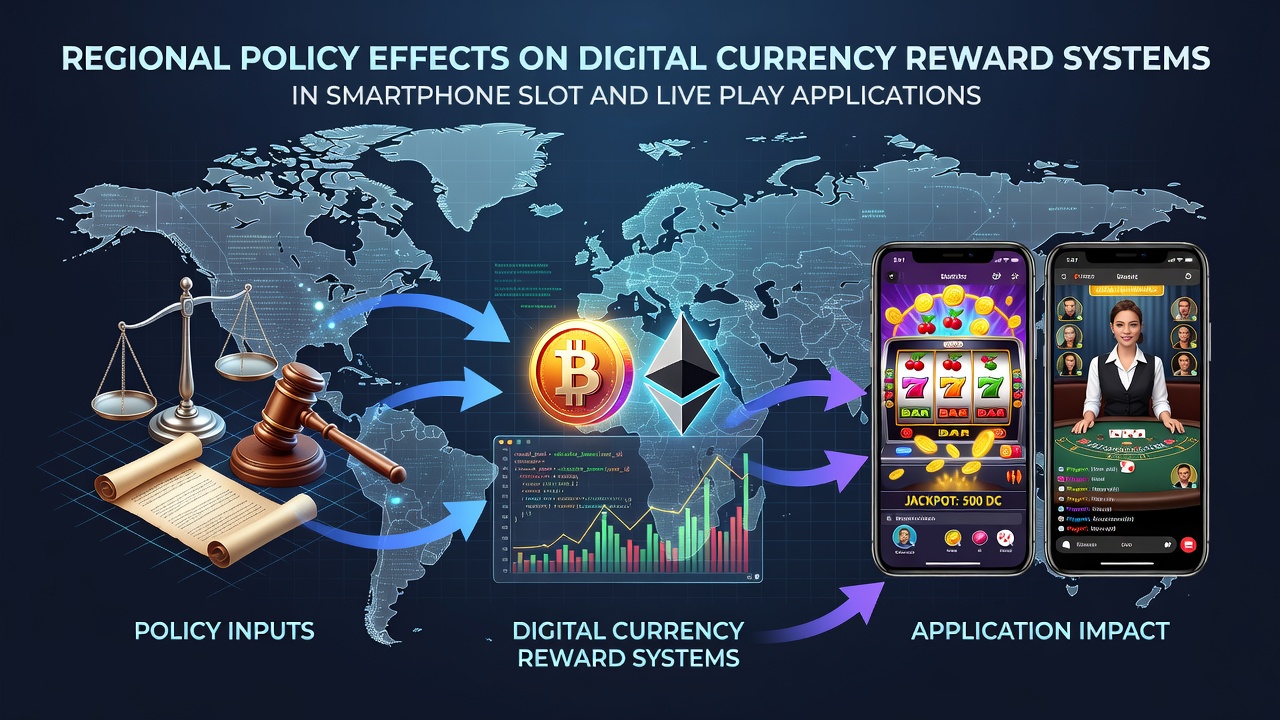
Regional policies continue to shape how digital currency reward systems operate inside smartphone slot and live play applications, and data from multiple jurisdictions show distinct patterns emerging by mid-2026. Regulatory frameworks in North America, Europe, and Asia-Pacific regions impose varying restrictions on cryptocurrency integration, which in turn affects bonus structures, loyalty tiers, and payout pathways for users engaging with automated reels or staffed table games on portable devices.
North American Approaches Create Layered Compliance Requirements
States and provinces across North America enforce separate rules that directly modify reward eligibility when digital assets enter the picture. In Ontario, licensing conditions require operators to segregate crypto transactions from traditional payment flows, which forces platforms to adjust tier advancement criteria so that cryptocurrency deposits receive different multiplier rates compared to fiat options. Observers note that this separation stems from provincial oversight aimed at consumer protection, and the resulting reward systems often feature delayed crediting for crypto-based promotions until verification clears additional checkpoints.
Similar patterns appear in several U.S. jurisdictions where gaming control boards mandate that any digital currency reward must pass through licensed processors before users can access live dealer features or progressive jackpot pools. These requirements lengthen the time between deposit and reward activation, yet they also create standardized audit trails that some developers incorporate into their mobile applications to streamline future compliance updates.
European Frameworks Emphasize Consumer Safeguards and Tax Alignment
Across European markets, directives on payment services and anti-money laundering produce another set of constraints on cryptocurrency rewards. Several member states tie digital asset bonuses to stricter identity verification timelines, which means smartphone users see reward balances appear only after cross-border checks complete. Research from industry monitoring groups indicates that these verification steps reduce the frequency of instant crypto promotions while increasing the use of time-limited loyalty multipliers that reset according to regional tax reporting cycles.
Operators adapt by designing hybrid reward ladders where cryptocurrency contributions count toward tier status at adjusted rates, and live play sessions on mobile tables receive separate tracking to satisfy local reporting obligations. Data collected through July 2026 shows that platforms serving multiple European countries maintain parallel reward engines, each calibrated to the strictest applicable rule set within that market cluster.
Asia-Pacific Variations Highlight Licensing and Currency Controls
Policy environments in parts of Asia-Pacific introduce currency control measures that further complicate digital asset rewards. Certain jurisdictions prohibit direct cryptocurrency deposits into gaming accounts, which pushes operators to route rewards through intermediary stablecoin mechanisms or licensed exchanges before they reach smartphone applications. This routing adds processing layers that affect how quickly users advance through loyalty programs tied to slot volume or live dealer participation.
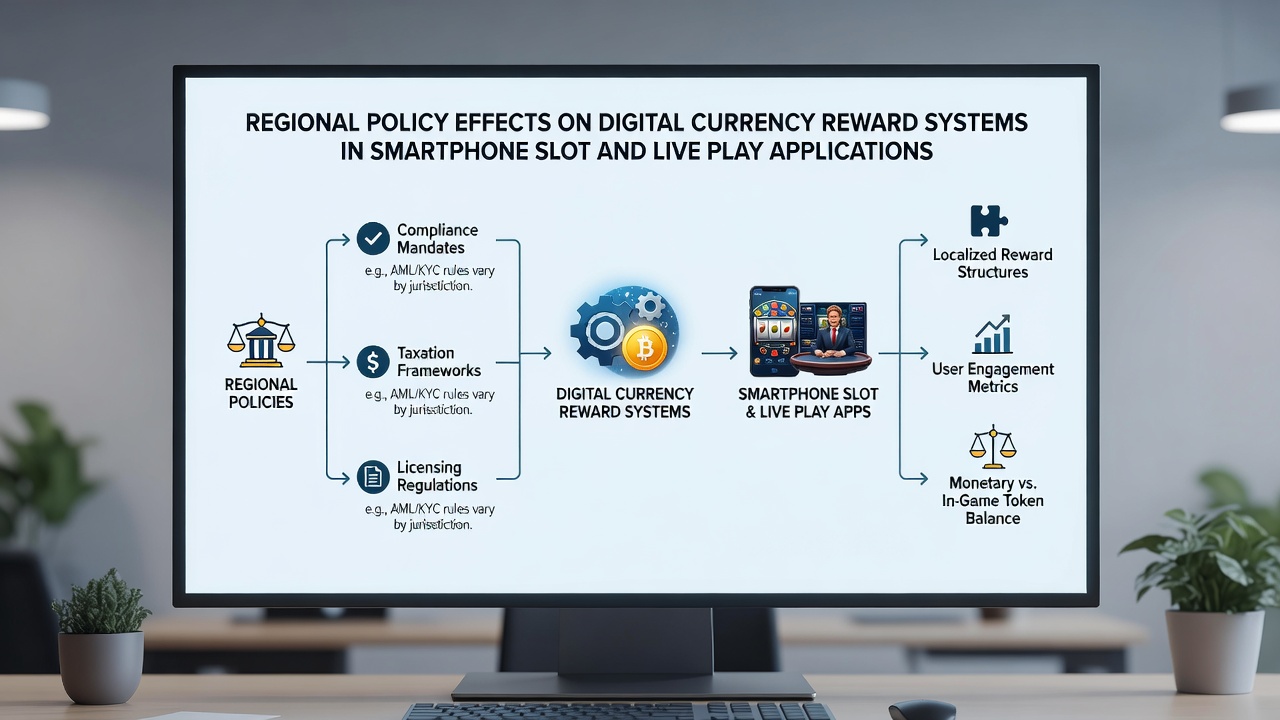
Australian regulators, for instance, have aligned gambling tax reporting with broader financial services rules, requiring platforms to flag cryptocurrency reward redemptions separately in user statements. Australian gambling support resources document these reporting practices, and operators respond by embedding automated disclosure prompts inside mobile interfaces so that reward notifications include jurisdiction-specific disclaimers.
Effects on Reward Structures and User Pathways
The cumulative result across regions appears in modified reward mechanics that prioritize compliance over uniformity. Loyalty points earned through cryptocurrency activity often carry geographic tags that determine redemption options, while live play bonuses may exclude users from certain jurisdictions entirely. Developers respond by building modular backend systems that activate or suppress specific reward features based on detected user location and applicable policy sets.
Studies tracking user retention across these segmented environments reveal that platforms maintaining flexible reward engines experience steadier engagement levels, because they can shift promotional emphasis toward fiat pathways in restrictive markets and expand cryptocurrency incentives where regulations permit. Settlement protocol variations further influence tier progression, since some regions require on-chain confirmation times that exceed the faster processing available through traditional e-wallets.
Conclusion
Regional policy differences continue to drive ongoing adjustments in how digital currency reward systems function within smartphone slot and live play applications. As licensing bodies update their frameworks, operators refine their mobile platforms to maintain compliance while preserving incentive structures that support both automated and staffed game formats. The interplay between these regulations and technical implementations produces a landscape where reward pathways remain closely tied to geographic boundaries and evolving oversight priorities.