Transaction Protocols Influencing Advancement Pathways in Mobile Reel and Table Game Setups
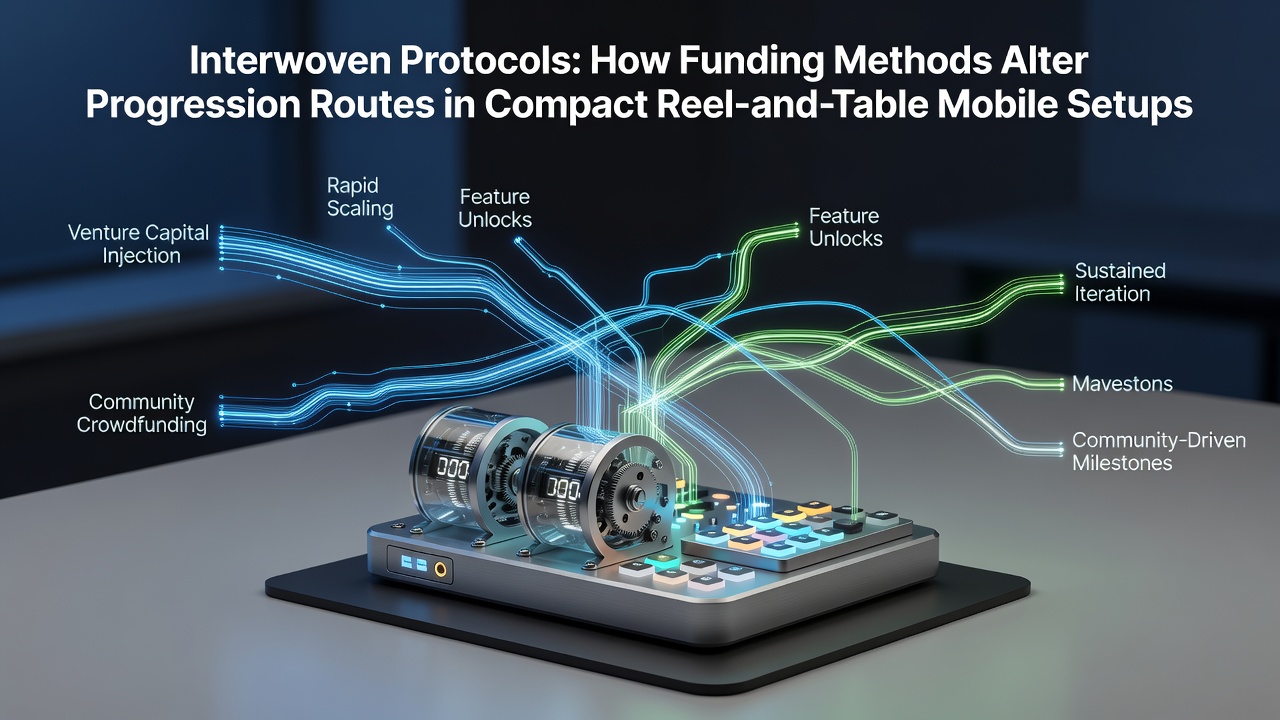 Data from multiple regions indicates that funding methods directly shape how players advance through reward structures in mobile applications combining automated reels with staffed table experiences. Observers note that deposit speed, verification requirements, and currency type often determine eligibility windows for tiered benefits, while settlement protocols influence point accumulation rates across hybrid platforms. Compact reel-and-table setups operate within constrained screen environments where seamless transaction flows become critical. Payment choices affect not only initial access but also ongoing progression because many systems tie bonus multipliers and exclusive table invitations to deposit frequency and volume processed through specific channels. Studies conducted on user behavior patterns reveal that platforms prioritize certain methods for faster crediting, which in turn accelerates loyalty point accrual. Payment categories commonly tracked include digital assets, electronic wallets, and traditional bank instruments. Each category carries distinct processing timelines that operators integrate into their advancement algorithms. For instance, digital asset transfers frequently bypass intermediate clearing steps, allowing immediate balance updates that count toward daily activity thresholds. Electronic wallet options, meanwhile, often feature built-in verification layers that align with regulatory checkpoints, creating predictable but sometimes slower routes to higher tiers.
Protocol Variations Across Funding Channels
Platform operators adjust progression formulas based on the technical characteristics of each funding protocol. Research from North American regulatory filings shows that systems using blockchain confirmations record player activity within minutes, whereas wire-based deposits may require hours before contributing to weekly play requirements. These timing differences alter the pace at which users unlock premium features such as reserved table seats or enhanced reel multipliers.
Compact mobile environments amplify these effects because session lengths tend to be shorter and more fragmented. Players who rely on instant settlement methods can chain multiple deposits within a single evening, meeting volume targets that slower methods cannot match. Analysts tracking retention metrics have documented higher tier ascension rates among accounts using protocols that minimize latency between transaction initiation and reward eligibility.Regional Data Patterns Emerging in Mid-2026
Figures released during July 2026 from various oversight bodies highlight continued shifts in funding preferences across portable gaming applications. In jurisdictions where digital asset usage has expanded, average time to first tier advancement has decreased compared with prior years. Conversely, regions maintaining stricter bank transfer rules show steadier but slower progression curves. These patterns suggest that protocol compatibility with mobile operating systems plays a measurable role in reward ladder navigation.
One documented case involved a hybrid application serving both reel enthusiasts and live table participants where accounts funded via certain electronic wallet providers reached mid-tier status 18 percent faster than those using card-based options. The difference stemmed from automated reporting features that flagged qualifying activity sooner, allowing the system to apply progression credits without manual review delays.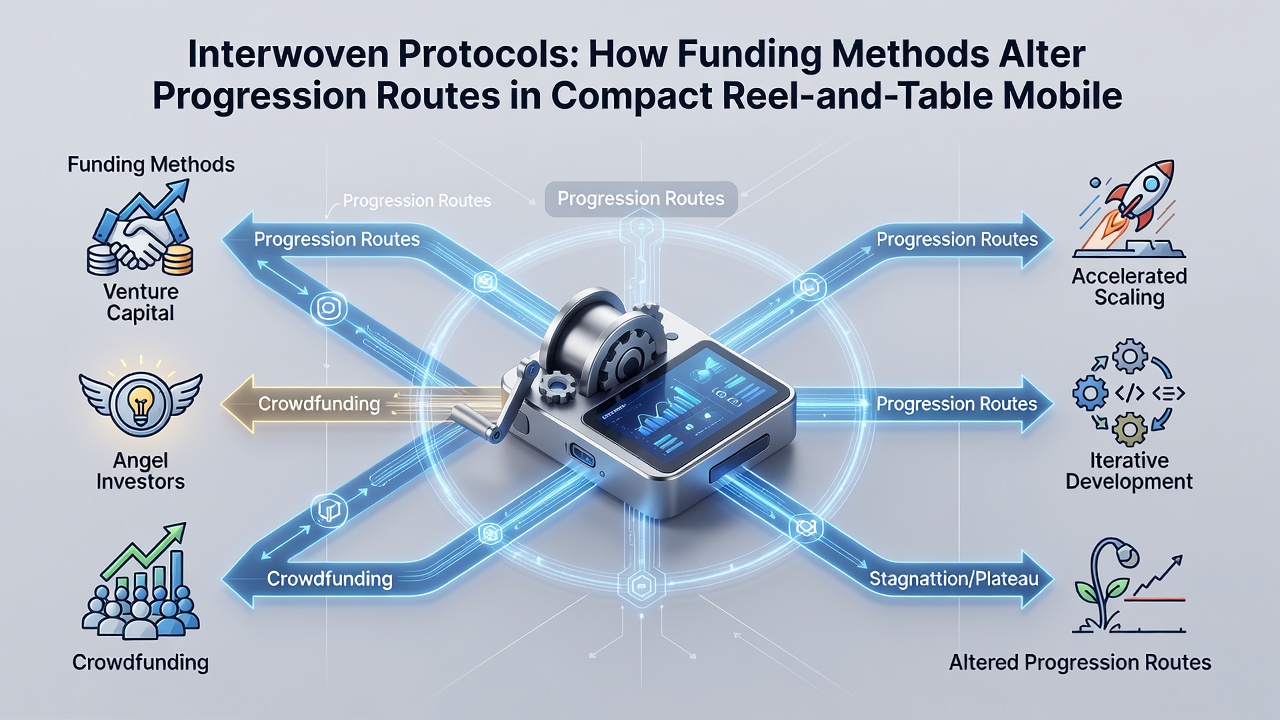
Interplay Between Settlement Speed and Tier Requirements
Advancement pathways frequently incorporate minimum deposit thresholds that must be met within defined periods. When settlement protocols deliver funds instantly, players gain flexibility to distribute activity across reels and tables without waiting for balance updates. Slower protocols force strategic clustering of play sessions around deposit clearance windows, which can limit exposure to time-sensitive promotions tied to table game participation.
Industry reports compiled by Canadian regulatory agencies demonstrate that applications offering multiple protocol options experience wider variance in player progression speeds. Those who select faster channels tend to engage more consistently with both automated and live dealer components, accumulating the mixed-activity points many systems require for upper-tier access. This behavioral adaptation illustrates how funding infrastructure becomes embedded in the mechanics of reward distribution.Future Adjustments Anticipated by Platform Developers
Developers continue refining how different payment rails interface with progression engines. Upcoming updates scheduled for late 2026 are expected to introduce dynamic weighting that assigns partial credit based on protocol reliability rather than solely on transaction size. Such changes would further entrench the relationship between funding method and advancement trajectory within compact reel-and-table environments.
Conclusion
Evidence gathered across multiple markets confirms that funding protocols function as active variables within mobile progression systems. The technical attributes of each payment channel, from confirmation speed to verification overhead, translate directly into measurable differences in how quickly users navigate reward hierarchies. As compact applications evolve to accommodate both reel and table formats, these protocol-driven pathways will remain central to understanding participation patterns and tier mobility.