Uncovering Influences of Alternative Payment Solutions on Jackpot Eligibility in Compact Digital Gaming Applications
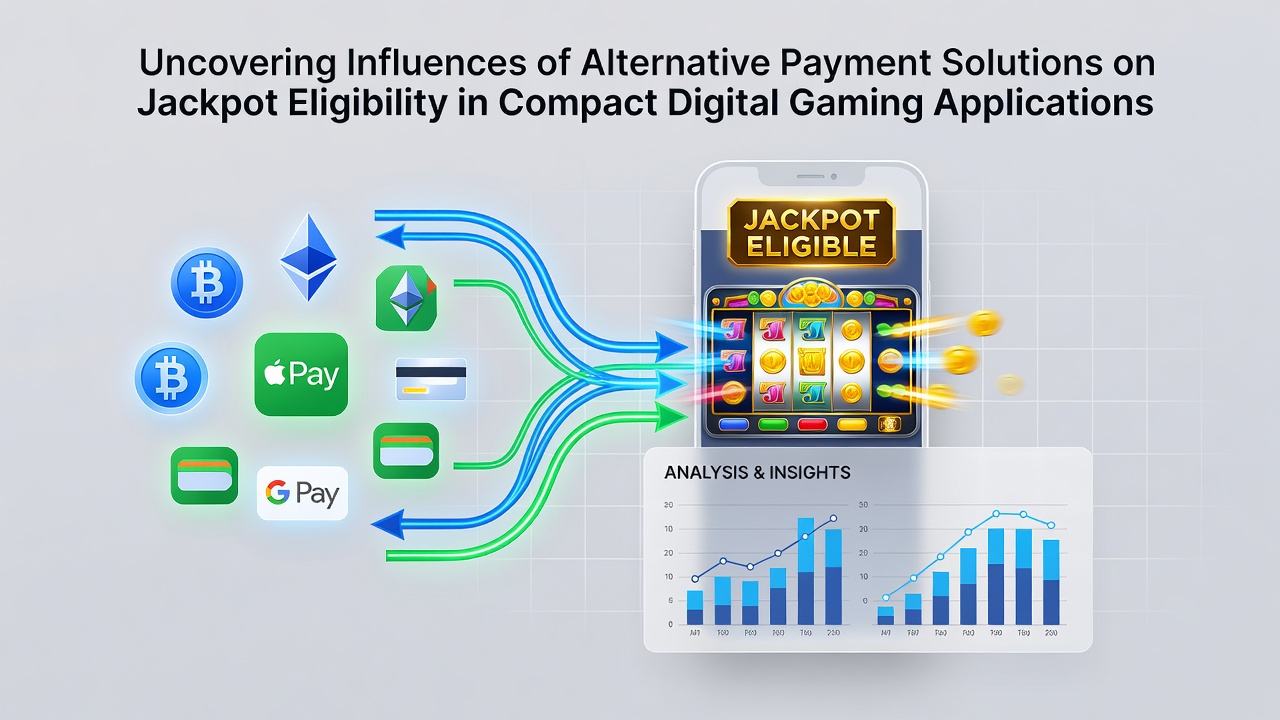
Alternative payment solutions continue to reshape how players interact with jackpot systems inside compact digital gaming applications, particularly those built for mobile devices where space constraints and instant access define the experience. Cryptocurrencies, e-wallets, and prepaid digital tokens now route funds through networks that bypass conventional banking rails, and these pathways carry direct consequences for whether accumulated winnings qualify for progressive pools or fixed jackpots.
Regulatory frameworks across multiple jurisdictions have responded with verification protocols that treat certain digital assets differently from card or wire transfers. In practice, operators must reconcile transaction speed against identity confirmation requirements before releasing funds tied to major prize tiers. Data compiled through 2025 into early 2026 shows measurable divergence in approval rates depending on the funding method selected at account creation.
Payment Pathways and Verification Thresholds
Compact applications often embed payment selection at the onboarding stage, which locks in eligibility rules before any gameplay occurs. When users fund accounts through blockchain-based transfers, automated systems flag the transaction for additional screening because wallet addresses lack the same built-in consumer protections found in regulated banking channels. Those screenings frequently delay or restrict access to pooled jackpot contributions until full know-your-customer documentation clears.
Traditional methods such as credit cards or ACH transfers trigger standardized risk scoring that aligns directly with existing jackpot contribution ledgers. In contrast, stablecoin deposits processed through third-party processors require separate reconciliation steps that some platforms complete only after the player reaches a predetermined wager threshold. Observers note that these procedural differences produce uneven participation rates in the same progressive jackpot across identical game titles.
Regional Regulatory Patterns Emerging in 2026
By June 2026 several North American and European markets had updated technical standards governing mobile gaming platforms, and these updates explicitly reference alternative payment rails. The New Jersey Division of Gaming Enforcement issued updated technical bulletins requiring operators to maintain separate jackpot ledgers for cryptocurrency-funded accounts versus fiat-funded accounts. Similar measures appeared in Ontario through the Alcohol and Gaming Commission of Ontario, which began auditing mobile applications for consistent jackpot eligibility mapping regardless of deposit origin.
These adjustments stem from documented cases where rapid crypto inflows created discrepancies between contributed amounts and verified player identities. Researchers tracking transaction logs found that a subset of accounts funded exclusively through digital assets encountered temporary exclusion from jackpot pools until manual review concluded. The pattern appears most pronounced in applications that support both automated reel games and staffed table environments within the same compact interface.
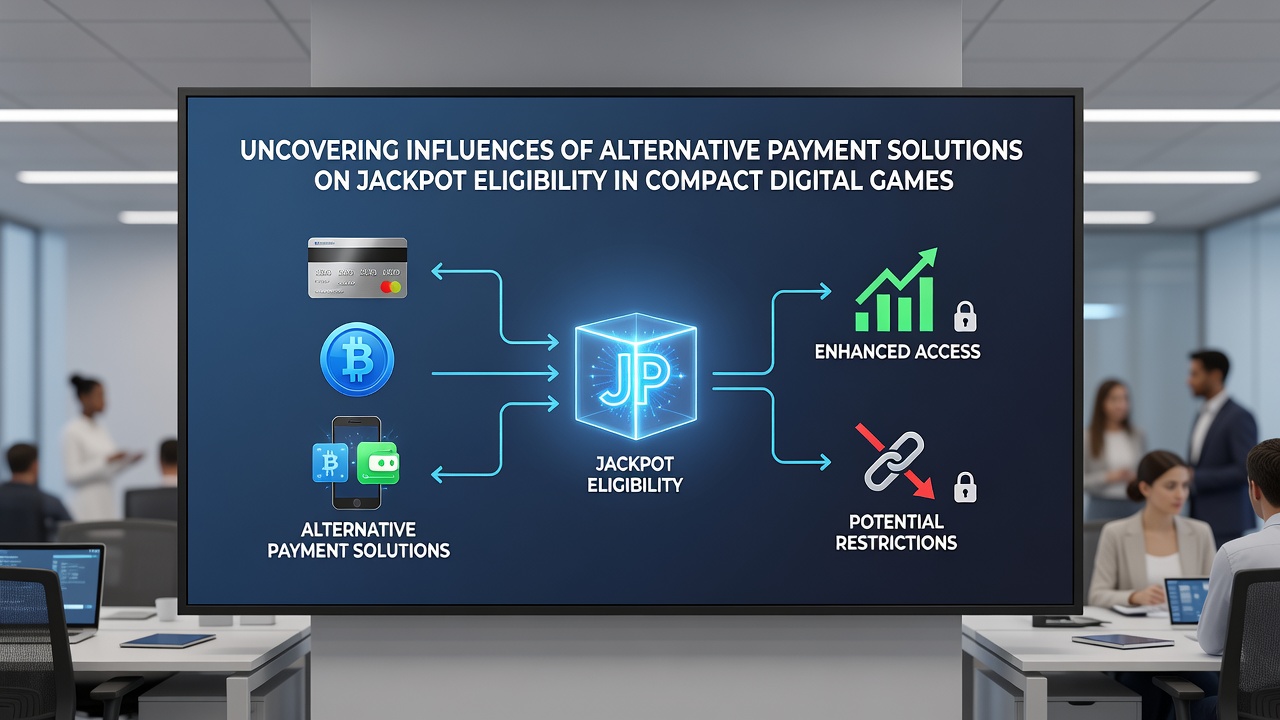
Technical Integration Challenges in Mobile Environments
Compact digital gaming applications operate under strict memory and bandwidth limitations that influence how payment verification modules interact with jackpot engines. Developers must compress eligibility checks into lightweight scripts that run client-side before any spin or hand begins. When alternative payments introduce additional cryptographic validation layers, the scripts sometimes route those accounts into a secondary eligibility queue that updates only after server-side confirmation arrives.
Industry reports prepared by the European Gaming and Betting Association highlight that applications using unified jackpot pools across payment types experience higher reconciliation overhead. Separate pools, while more complex to maintain, allow operators to satisfy regional rules without pausing gameplay for the broader user base. Data released through mid-2026 indicates that platforms adopting segmented pools recorded fewer eligibility disputes during peak mobile usage hours.
Player Account Structures and Contribution Tracking
Account-level settings determine whether deposits convert into jackpot-eligible credits or remain in a parallel balance category. Several applications now display explicit toggles during deposit that inform users which payment routes feed into progressive meters. Those who select e-wallet options linked to traditional banking details typically see immediate eligibility, whereas pure cryptocurrency routes require an extra confirmation step that appears only after the first withdrawal attempt.
Studies conducted by academic teams at institutions monitoring digital gambling behavior reveal that players who switch payment methods mid-session encounter the highest rate of eligibility resets. The switch triggers a re-evaluation of the entire account history against current jurisdictional thresholds, a process that can last from several minutes to multiple hours depending on transaction volume and processor response times.
Conclusion
Alternative payment solutions exert measurable influence over jackpot eligibility inside compact digital gaming applications through verification sequencing, ledger segmentation, and regional compliance requirements. As operators refine their systems in response to 2026 regulatory updates, the technical architecture of mobile platforms continues to evolve around these payment distinctions. Players encounter different qualification paths depending on the funding method chosen, and those paths directly affect participation in shared prize structures across both reel and table formats.